The UK Government is encouraging households to be prepared for around three days of disruption in case severe weather, power cuts, flooding or other emergencies temporarily affect everyday services.
Part of that advice is keeping a small supply of food at home that has a long shelf life and can be eaten without refrigeration or cooking.
But if you're taking a GLP-1 medicine such as Mounjaro or Wegovy, simply filling a cupboard with biscuits, crisps and tins may not be the best approach.
When your appetite is already reduced, what you eat becomes even more important.
Water comes first
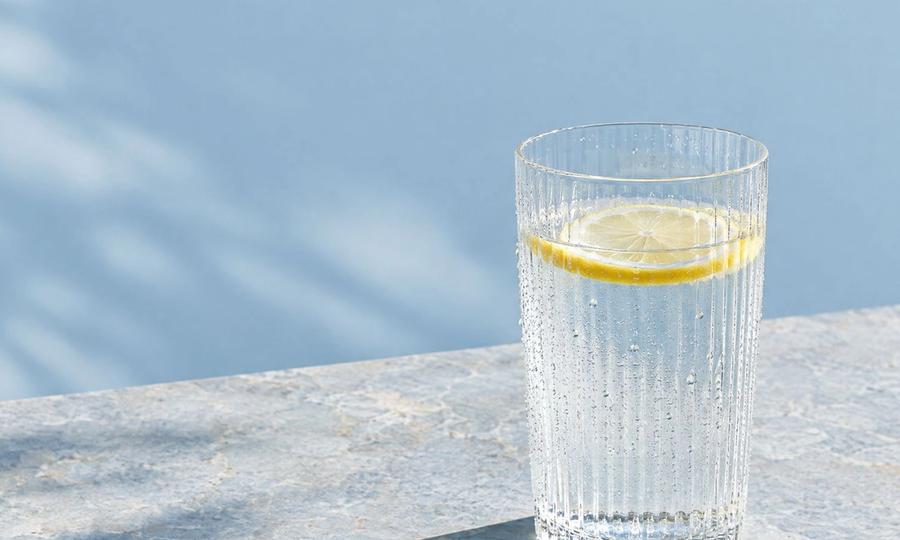
Before thinking about food, think about water.
The Government recommends keeping 3 litres of drinking water per person, per day, for three days.
That's:
- 1 person = at least 9 litres
- 2 people = at least 18 litres
- 4 people = at least 36 litres
And that's primarily for drinking. You may need additional water for cooking, washing, pets or other needs.
For people using GLP-1 treatments, staying hydrated is particularly important. Reduced appetite can sometimes mean people also drink less, while side effects such as vomiting or diarrhoea can increase fluid loss.
Keep bottled water somewhere cool and accessible and rotate it periodically rather than buying it and forgetting about it.
1. Start with protein
When you're eating smaller quantities of food, try to make sure the food you do eat provides useful nutrition.
Protein is particularly important during weight loss because it helps support the maintenance of muscle mass.
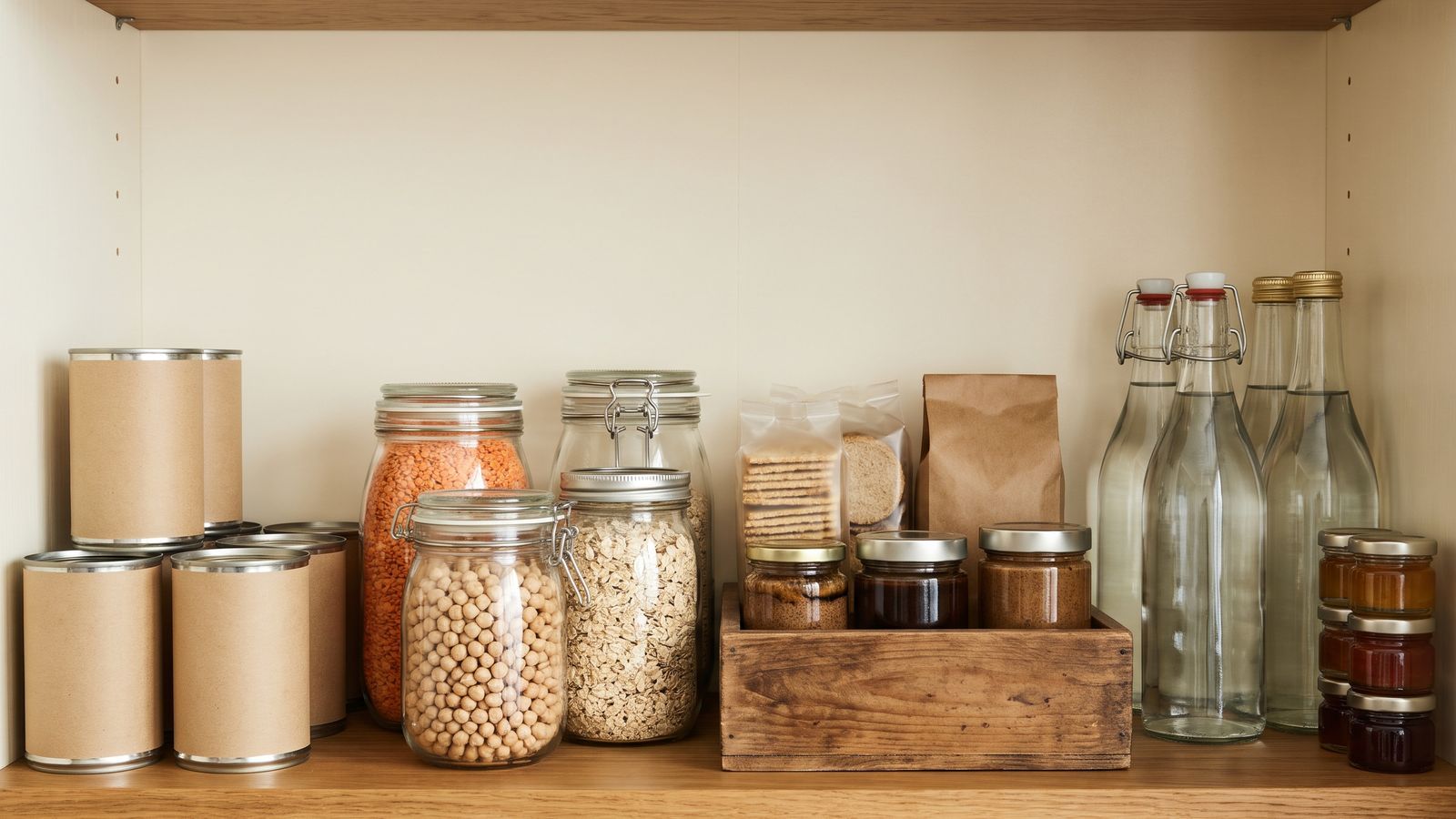
Useful cupboard options include:
- Tinned tuna, salmon, sardines or mackerel
- Tinned chicken or other lean meats
- Beans, chickpeas and lentils
- Individual pots or tins of beans
- Nuts and seeds
- Peanut or other nut butters
- Long-life protein drinks that don't require refrigeration before opening
Look for products that you already enjoy and would realistically eat. An emergency cupboard shouldn't be filled with foods that will sit untouched for years.
2. Include some carbohydrates
Carbohydrates are an important source of energy, particularly if normal meals become difficult to prepare.
Good long-life choices can include:
- Wholegrain crackers
- Oatcakes
- Crispbreads
- Wholegrain cereal
- Porridge pots or instant oats if you have access to hot water
- Rice or grain pouches that can be eaten cold if necessary
Pairing a carbohydrate with some protein — for example oatcakes with peanut butter or crackers with tuna — can make a small meal considerably more nutritious.
3. Keep fruit and vegetables available
A power cut doesn't mean your fruit and vegetable intake has to disappear.
Consider keeping:
- Tinned fruit in juice
- Fruit pots
- Dried fruit
- Tinned vegetables
- Tinned tomatoes
- Sweetcorn
- Beans and pulses
Choose options with little added sugar or salt where possible.
If the electricity goes off, use fresh and refrigerated foods first while they are still safe to eat, then move onto your cupboard supplies.
4. Think small if your appetite is small
One thing that's different for many people using GLP-1 medicines is portion size.
A huge tin or family-sized packet may not be particularly practical if you can only manage a small amount at a time and have no working refrigerator to store what's left.
Consider keeping some smaller individual portions in your emergency food supply.
Examples could include small tins of fish, individual fruit pots, small packets of nuts, individual protein drinks and snack-sized packs of crackers.
That can reduce waste while making it easier to eat little and often.
5. Have a few foods for days when you don't feel like eating
Nausea and reduced appetite can occur with GLP-1 treatment.
It can therefore be sensible to have a few relatively plain foods available, such as:
- Plain crackers
- Oatcakes
- Rice cakes
- Fruit pots
- Bananas if available
- Simple cereal
- Ginger tea bags
You don't need a cupboard full of “diet food”. You need foods that you know you tolerate well.
6. Don't make your emergency cupboard a junk-food cupboard
Chocolate, biscuits and crisps certainly have long shelf lives, but they shouldn't make up the majority of your emergency food supply.
Very rich, fatty or large meals can also be uncomfortable for some people taking GLP-1 medicines.
Think instead about building a cupboard containing a combination of protein, fibre, carbohydrates, fruit and vegetables.
A simple three-day GLP-1-friendly cupboard
For one person, a practical starting point might include:
- Protein: Tinned tuna or salmon, beans or lentils, nuts and peanut butter.
- Carbohydrates: Wholegrain crackers, oatcakes and cereal.
- Fruit & vegetables: Tinned fruit, fruit pots, dried fruit and tinned vegetables.
- Easy snacks: Individual nut packs, crackers and other small portions you know you tolerate.
- Drinks: The Government recommends keeping bottled drinking water for three days as part of your household emergency supplies.
Don't panic-buy — rotate
Emergency preparedness doesn't mean filling an entire room with food.
The Government recommends gradually building up supplies and buying foods you normally eat.
A good system is simply to keep a few extra cupboard staples at home, use the oldest products as part of your normal diet and replace them when you shop.
That way your emergency supply stays fresh and very little is wasted.
The PPRX takeaway
For people taking GLP-1 treatments, emergency food planning should be about nutrition rather than volume.
If an unexpected disruption happens and you're already eating considerably less than you once did, a cupboard containing protein-rich foods, fruit, vegetables and sensible sources of energy will serve you far better than three days' worth of snacks.
Prepare — don't panic-buy. And choose foods that you would actually eat.
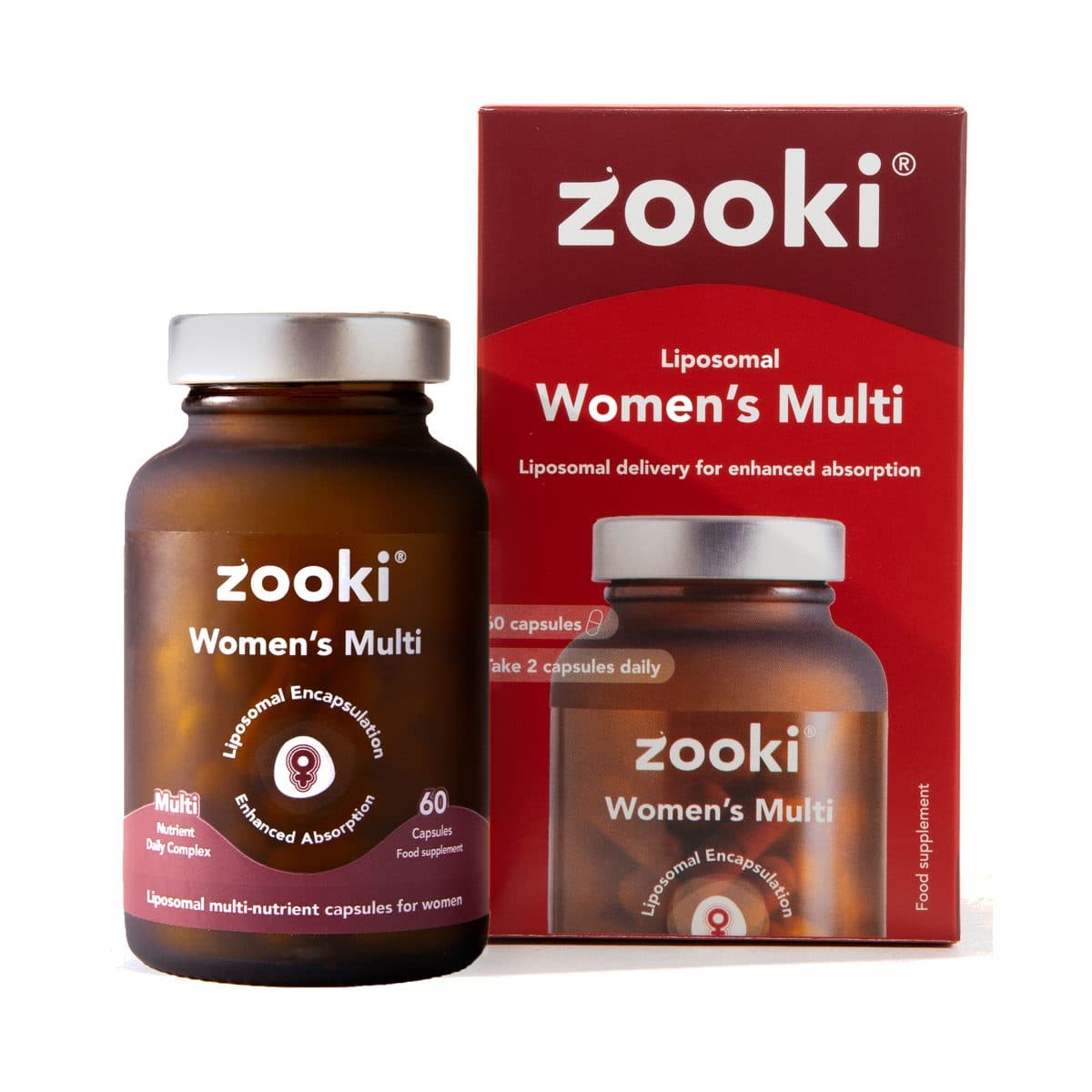
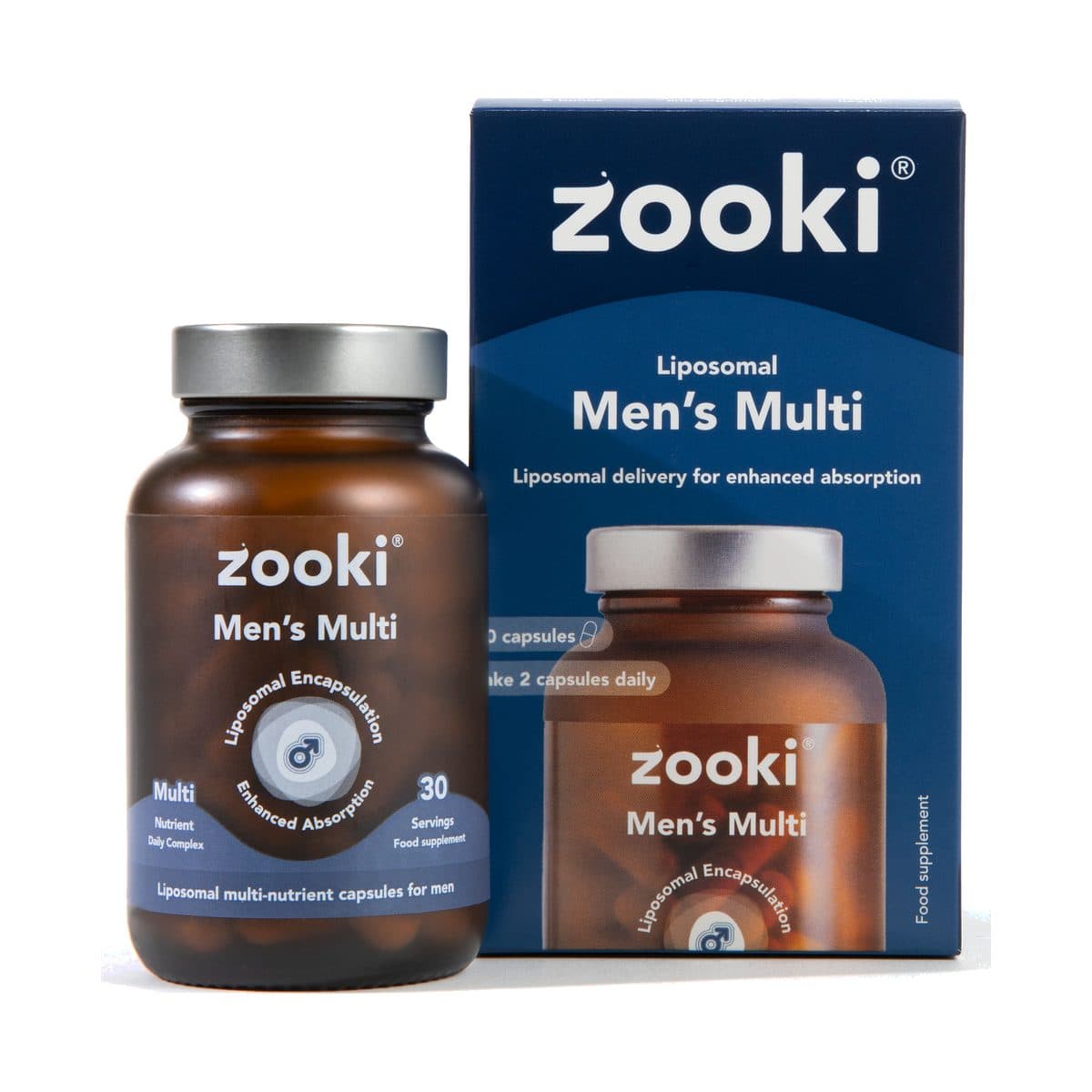
More on this topic: Vitamins & wellness — supplements from Zooki, and PPRX bundles.
Food supplements should not be used as a substitute for a varied, balanced diet and healthy lifestyle.