

Unlike most vitamins, vitamin D is made by the body when sunlight, specifically ultraviolet B rays, reaches the skin. During the UK’s autumn and winter months, we are less able to synthesise sufficient vitamin D from sunlight due to UVB exposure. In addition, we tend to spend more time indoors and wear more layers of clothing to keep warm as temperatures drop. These factors all contribute to fewer opportunities for our bodies to synthesise adequate amounts of vitamin D.
Why do we need vitamin D?
Although classified as a vitamin, vitamin D acts more like a hormone. Once activated it behaves as a chemical messenger regulating how well calcium is absorbed as well as playing an important role in immune function. Its role in regulating calcium and phosphate levels, means it is essential in maintaining bone, teeth, and muscle health.
Increasingly, vitamin D is being investigated for its potential role in protecting against seasonal infections like cold and flu. This is partly because vitamin D receptors are found on immune cells such as T lymphocytes and macrophages. Research into its relationship with mood and mental well-being has also produced encouraging findings with some evidence suggesting supplementation may help alleviate depressive symptoms.
However, this does not mean more is necessarily better and supplementing beyond your needs does not produce improvements. Instead, supplementation is a preventative measure against potential deficiencies during the months of reduced sunlight. By taking vitamin D supplements during winter, we can prevent deficiency and support healthy physiological function.
How much?
According to NHS guidelines, a daily intake of 10 micrograms (mcg) equivalent to 400 international units (IU), is the recommended daily amount in autumn and winter. Adults should not exceed 100 micrograms (4000IU) daily unless advised otherwise by a healthcare professional.
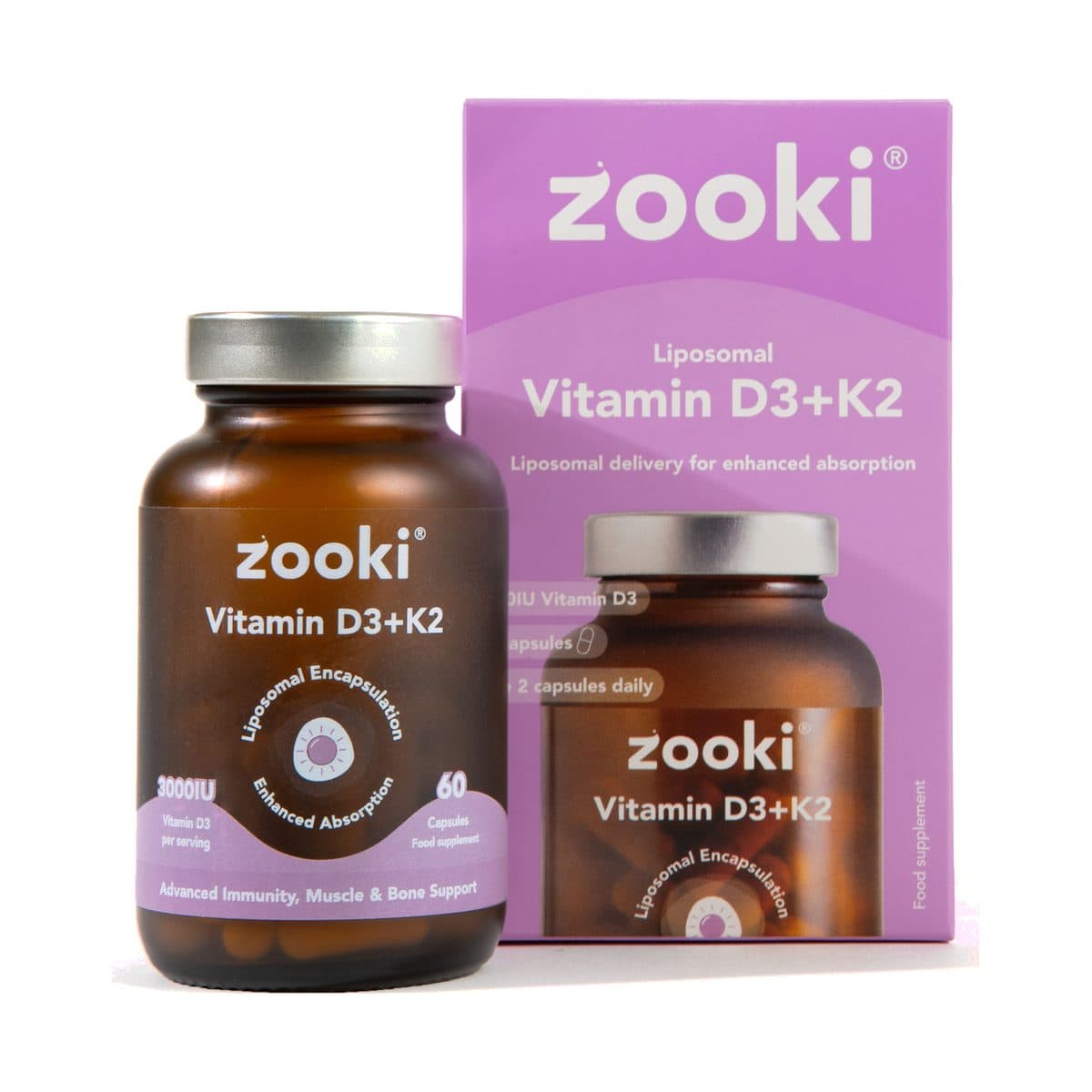
More on this topic: Vitamins & wellness — supplements from Zooki, and PPRX bundles.
Sources and further reading
- Dalamaga M, Emfietzoglou R, Petropoulou D, et al. Vitamin D and Health Outcomes: State-of-the-Art Review of Triangulated Evidence and Ongoing Controversies. Current Nutrition Reports. 2026;15(1):26. View source
- Jolliffe DA, Camargo CA Jr, Sluyter JD, et al. Vitamin D supplementation to prevent acute respiratory infections: systematic review and meta-analysis of stratified aggregate data. The Lancet Diabetes & Endocrinology. 2025;13(4):307–320. View source
- Xu G, Hu T, Zhang C, et al. Vitamin D-containing supplementation and depressive symptom severity in adults: A Bayesian systematic review and evidence-structure assessment. Clinical Nutrition. 2026;64:106751. View source
Food supplements should not be used as a substitute for a varied, balanced diet and healthy lifestyle.